Chargers That Replace the Tangle of Bricks Living in Your Bag
Three chargers in your bag is two too many. One palm-sized GaN charger powers your laptop, phone, and tablet from a single plug — here's which one to actually buy.
Your power bank has 20,000mAh on the box. It still dies by 3pm. Here's what's actually happening — and which power banks deliver on their rated capacity when your travel day goes sideways.

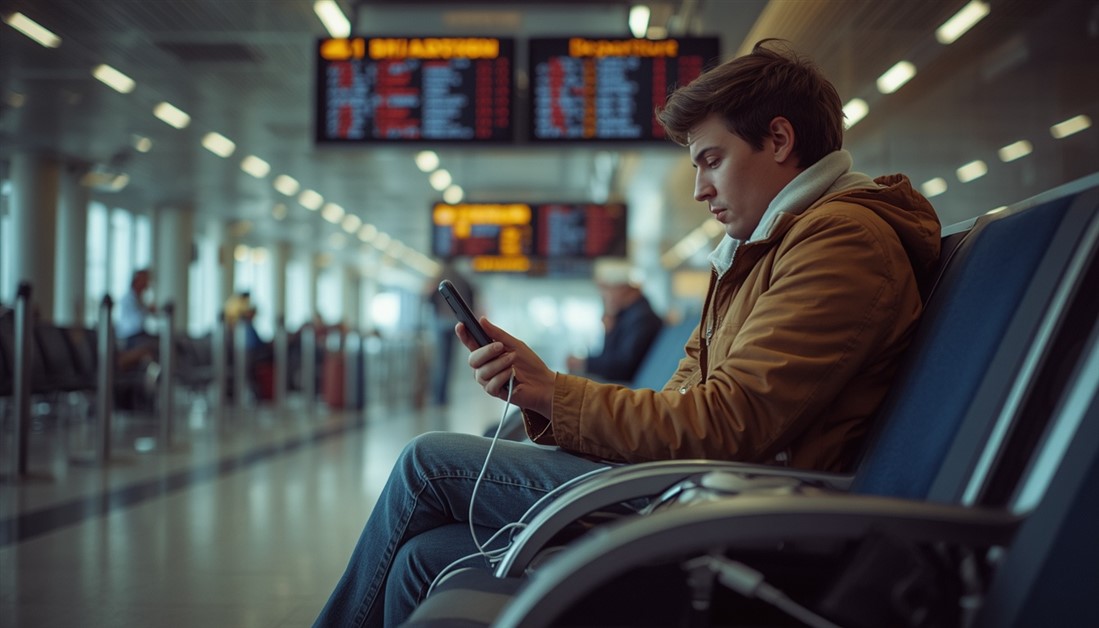
The box says 20,000mAh. It dies before your layover ends. Either the capacity was always exaggerated, or it degraded faster than it should have — either way, you’re now at 12% with a three-hour connection ahead and no outlet in sight.
Power banks are the one piece of travel gear that almost everyone gets wrong once. The second time, they get specific.
On Reddit’s r/travel and r/onebag, the power bank complaints are consistent:
Amazon reviews echo the same patterns — heavy concentration of complaints about capacity dropping faster than expected, charging that slows for no obvious reason, and units that stop working entirely after a year of airport conveyor belts and bag compression.
The mAh number on the box is raw cell capacity. What actually reaches your device is lower — somewhere in the 80–90% range after conversion losses. A 20,000mAh bank realistically delivers around 16,000–18,000mAh of usable charge. That’s the gap between “charges my phone four times” on the label and “charged it three times and showed 20% remaining” in practice.
That gap widens over time. Lithium cells degrade with each charge cycle, and travel use accelerates that — frequent partial charges, temperature extremes in overhead bins and hot cars, and compression inside bags all contribute. After a year of regular travel, a bank at “full capacity” according to the indicator may be delivering noticeably less than it did on day one.
The specific complaint about dying at 30% comes from state-of-charge drift: the battery indicator becomes miscalibrated and what the bank thinks is 30% remaining is actually nearly empty. A full discharge-to-empty followed by a complete recharge recalibrates it — most people never do this, and the indicator just drifts further over time.
After going through owner reviews from travelers specifically using power banks across long-haul flights, airport stays, and multi-day trips without consistent outlet access, the pattern was clear: the banks that held up were from brands with established quality control, airline-safety certification, and enough output to actually charge a laptop rather than just sustain a phone. Cheap banks fail earlier and with less warning; the capacity marketing on low-end units is the most aggressively inflated.
The 737 is one of the most thoroughly reviewed travel power banks on the market — rated above 4.4 stars across more than 16,000 reviews, which is the kind of signal that smooths out the noise. The capacity is sized to meaningfully charge a laptop, not just sustain it, and the output is high enough to fast-charge USB-C devices at full speed rather than the trickle that cheaper banks push through USB-C.
The built-in digital display shows wattage per device and remaining capacity as an actual percentage — not just four LEDs that tell you nothing between 75% and 25%. For travelers who want to know whether they have enough for the next flight before they leave the hotel, that readout matters. The capacity sits at 86.4Wh, which clears the standard airline carry-on limit without approval or anxiety.
Trade-off: it’s heavier and bulkier than a 10K bank. For travelers counting every gram, it’s a real addition. For anyone treating the power bank as a serious charging station for a full day of devices, the capacity justifies the weight.
👉 Check Current Price → Anker 737 PowerCore 24K
The single most consistent power bank complaint on travel days isn’t capacity — it’s hunting for the right cable at 5am when packing for an early flight. The Anker 20K with built-in USB-C removes that variable entirely: the cable is part of the bank, it’s always there, and it’s rated for the bank’s maximum output, so no slow-charging surprises.
The capacity is lower than the 737 and the maximum output is lower as well, which makes it the better pick for travelers whose heaviest device is a tablet or a Switch rather than a MacBook. Charges phones and tablets fast; can charge laptops, but at lower speeds than a dedicated laptop bank.
Worth noting: owner reviews include a small percentage of reports about units stopping working after several months of use. The majority experience is reliable, but buy from a retailer with a real return window and run it through a full cycle before your first trip.
👉 Check Current Price → Anker Power Bank 20,000mAh with Built-in USB-C Cable
10,000mAh is enough to get most smartphones through a full travel day with charge to spare — the right bar for travelers who carry a phone and earbuds, not a laptop. The Picogo is compact enough to fit in a jacket pocket, which matters when you’re doing the overhead bin shuffle and don’t want to dig through your main bag at the gate.
It ships with a built-in retractable USB-C cable and fast-charge output that can make a real dent in a phone’s battery during a short layover. Reviewed positively by Macworld for compact travel use; well-regarded at major retailers. The trade-off is obvious: if you ever need to top up a laptop, the 10K capacity won’t help. This is the pick for travelers who already know their device load is phone-first.
👉 Check Current Price → Baseus Picogo 10000mAh 45W Built-in USB-C
Power banks must travel in carry-on — not checked luggage. Lithium batteries in checked bags are prohibited on most airlines regardless of capacity; this isn’t a gray area. The carry-on limit for power banks is 100Wh without special approval; 100–160Wh typically requires asking the airline and is usually approved on request; above 160Wh is not permitted on passenger aircraft at all.
To check your bank’s Wh rating: divide the mAh by 1,000, then multiply by 3.7. A 20,000mAh bank works out to around 74Wh — well under the limit. A 24,000mAh bank works out to around 88.8Wh — also fine. The Wh figure is usually printed on the bank itself, which is what security agents actually verify. If yours doesn’t show it, calculate it before you travel.
A few habits extend lifespan significantly: don’t store it fully discharged for extended periods (50–60% charge is better for long-term storage), keep it out of hot cars and direct sun, and run a full recalibration cycle every two to three months — discharge completely until it shuts off, then charge uninterrupted to 100%. That cycle keeps the capacity indicator accurate and extends the period before you notice meaningful degradation.
For the laptop that’s driving the need for 140W output in the first place, the breakdown of best laptops for digital nomads who game covers the portable computing side with the same criteria: real-world performance outside a fixed desk.
No. Lithium batteries in checked bags are prohibited on most airlines because a thermal event can’t be managed in the hold the way it can in the cabin. Power banks must always travel in carry-on, regardless of capacity.
Standard X-ray screening doesn’t damage lithium cells or reduce capacity. The newer CT scanners increasingly used for carry-on bags have been flagged as a potential concern by some manufacturers, though the practical impact at normal travel frequency is minimal. If a security agent asks you to remove the bank for separate screening, that’s standard procedure, not a sign of damage.
This is state-of-charge drift — the battery indicator has become miscalibrated and no longer accurately reflects remaining capacity. The fix is a recalibration cycle: discharge the bank completely until it shuts itself off, then charge it uninterrupted to 100%. Doing this every two to three months keeps the readout accurate and often “recovers” capacity that seemed lost.
A well-maintained bank from a reputable brand should hold most of its original capacity for two to three years of regular travel use. Anker offers 18–24 months warranty on most models; Baseus similar. If yours degrades significantly faster, that’s what warranties are for — buy from brands that honor them.
Buy from a retailer with a real return window and run the bank through a full charge cycle before your first trip. Either the capacity holds up or it doesn’t — and you want to find that out at home, not at a boarding gate with nowhere to go.
Disclosure: We may earn a small commission if you buy through our links — at no extra cost to you. This helps us keep researching gear for real humans like you.
What’s the worst place your power bank has died on you — boarding gate, middle of a city with no map, or somewhere worse?
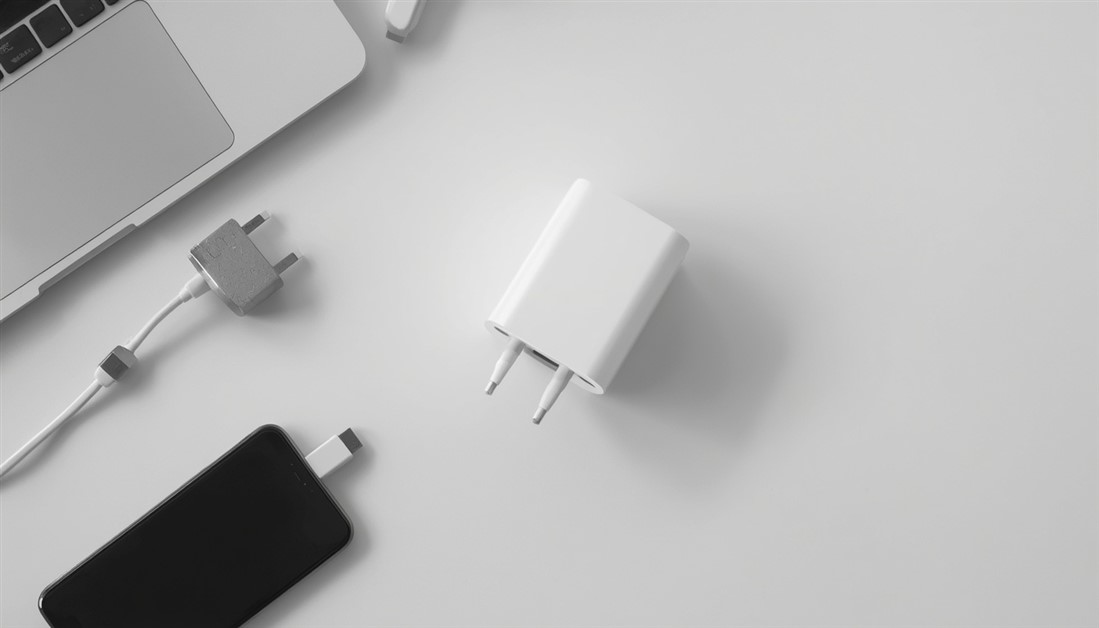
Three chargers in your bag is two too many. One palm-sized GaN charger powers your laptop, phone, and tablet from a single plug — here's which one to actually buy.
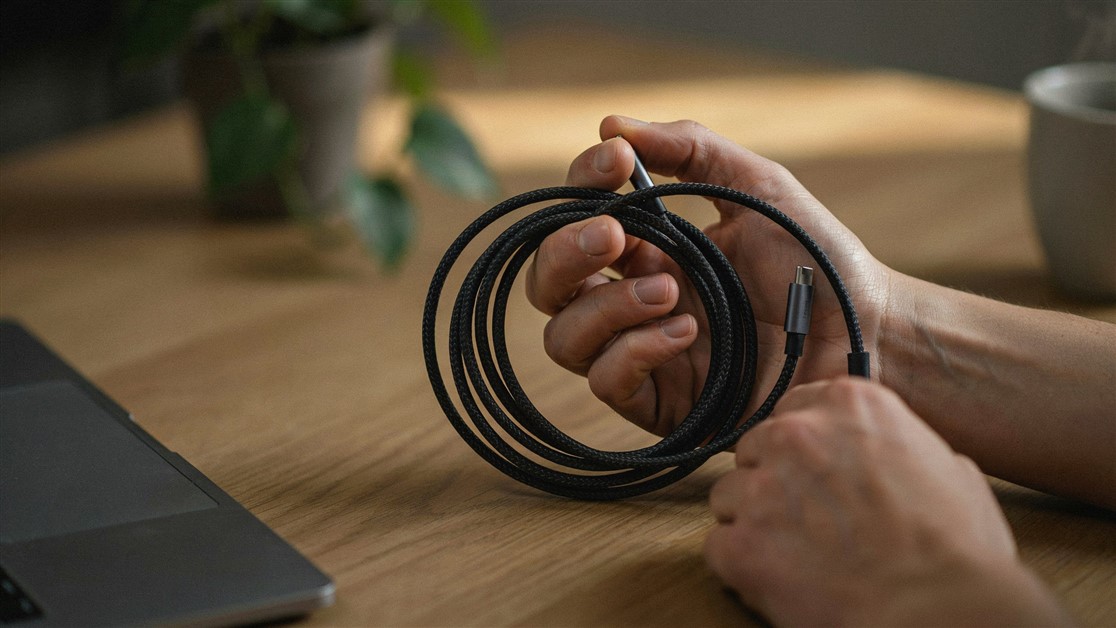
Your USB-C cable charged fine for a couple of weeks, then quietly died with no visible damage. That's not bad luck — it's thin wire and weak strain relief. Here's what actually survives daily use.
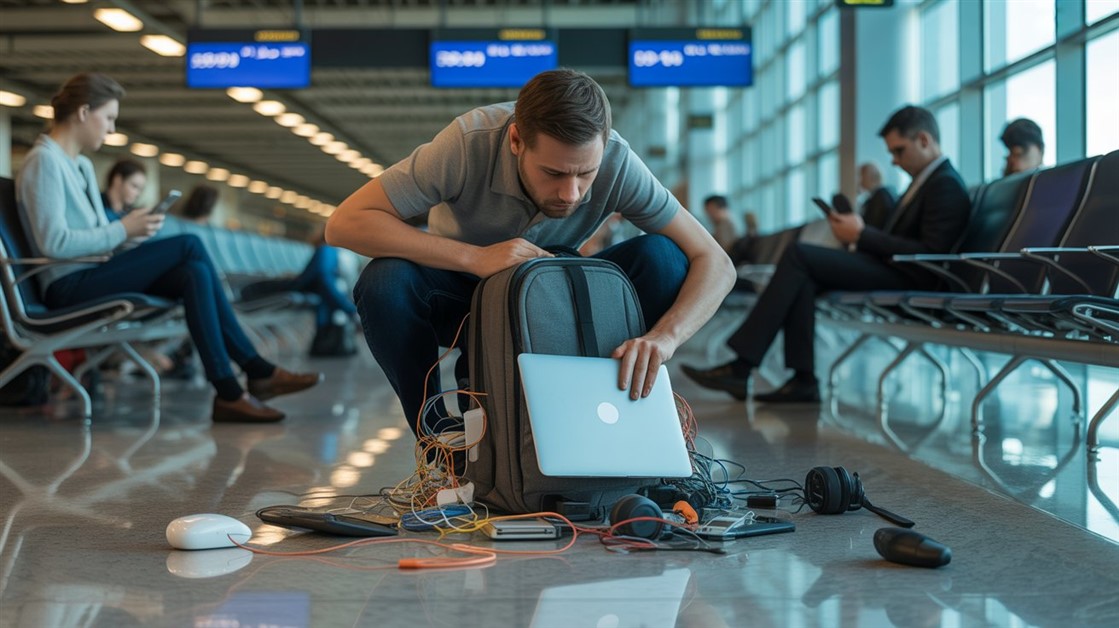
The gate changes, you've got ten minutes, and your charger is lost in the bag again. That's not disorganization — your accessories just live separately from the laptop they serve. Stick-on lid organizers put them on it.

Your drawer is full of notebooks with three good pages and a lot of blank ones. That's not you — paper is single-use. Reusable notebooks let you write, save what matters, wipe, and start fresh on the same book.
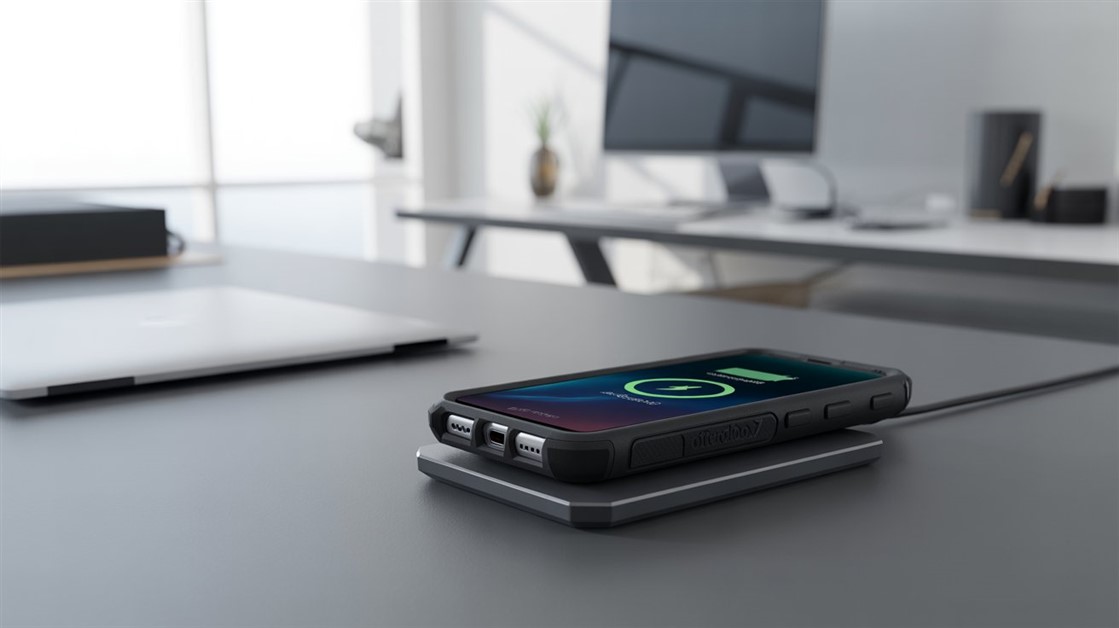
You peel your OtterBox off every night just to charge, and now the port's worn out. But rugged cases are built to charge wirelessly — if yours cuts out, it's usually the charger that can't reach through the case.

Your on-the-go videos shake because your tripod stays home. Here are the pocket-sized phone tripods small enough to actually carry — and steady enough to trust.

Adhesive privacy screens leave sticky residue and won't come off for Zoom. Magnetic ones snap on for café work and off in a second — here's how to pick one.
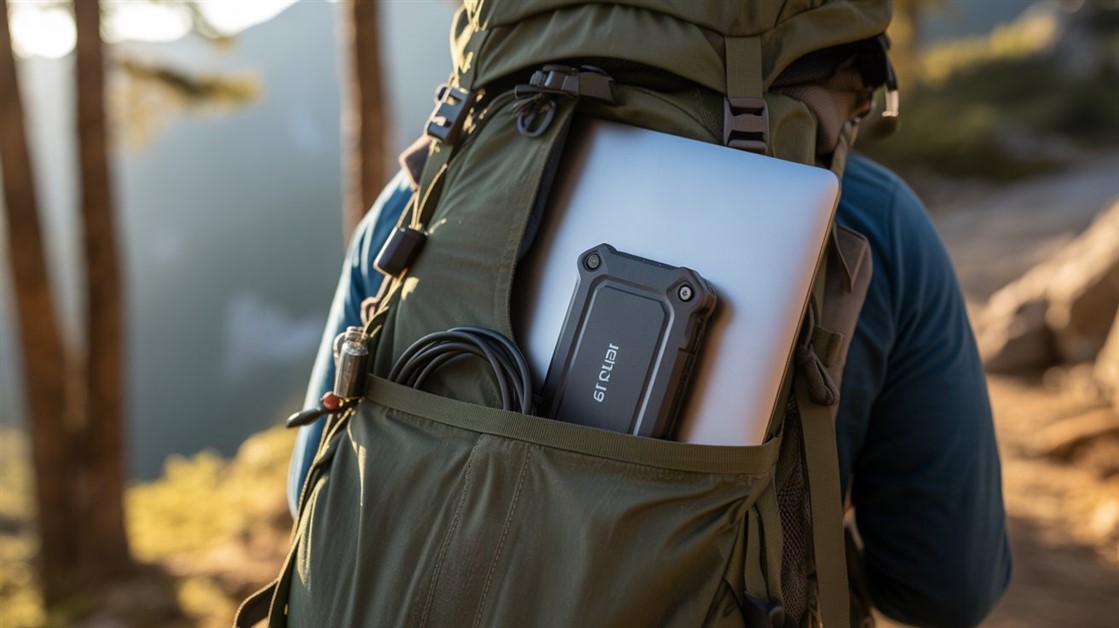
Drop your SSD on concrete and months of work can vanish. Regular drives aren't built for backpack life — here's how to pick one that actually survives.
Discussion
(0)Be the first to share your thoughts.