Chargers That Replace the Tangle of Bricks Living in Your Bag
Three chargers in your bag is two too many. One palm-sized GaN charger powers your laptop, phone, and tablet from a single plug — here's which one to actually buy.
Your USB-C cable charged fine for a couple of weeks, then quietly died with no visible damage. That's not bad luck — it's thin wire and weak strain relief. Here's what actually survives daily use.

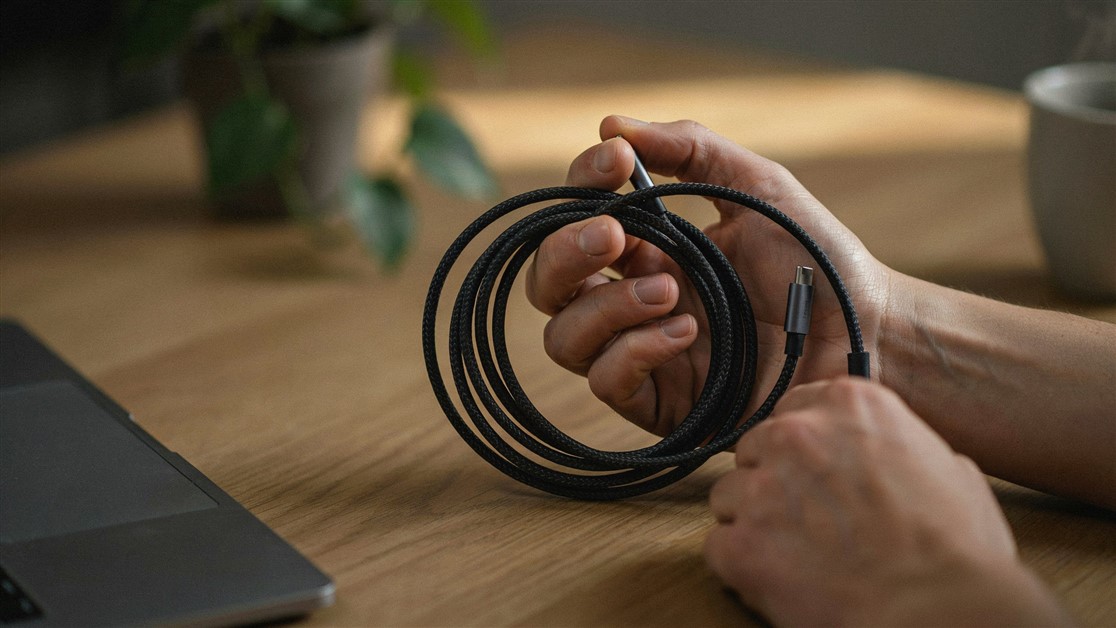
Your new USB-C cable charges fine for the first couple of weeks. Then one day it just… doesn't. No fraying you can see, no warning — it simply stops registering a connection, usually right when you need it most.
It's such a common complaint that "USB-C cable stopped working" pulls up thousands of nearly identical stories on Reddit and Amazon: worked for a few weeks, no visible damage, then intermittent charging and finally nothing — almost always failing at the same spot. You're not imagining a pattern, and you're not just unlucky with cables. Most budget ones are built to fail this way.
| Pick | Best for | What stands out | The catch |
|---|---|---|---|
| Anker Powerline III | Everyday, do-it-all | Proven durability, reinforced connector, real wattage | Not the toughest for constant travel |
| Anker Prime Upcycled-Braided | Constant travel and coiling | Tougher braid, wide temp range, lifetime warranty | Costs more than a basic cable |
The failure almost always happens at the same spot: right where the cable meets the connector housing. Every time you coil a cable, stuff it in a bag, or yank it out of a port at an angle, the wires inside flex at that exact joint. Do that a few hundred times and the thin internal wires fatigue and eventually break — invisibly, since the outer jacket usually still looks fine.
Cheap cables make this worse in two ways. Thinner-gauge wire fatigues faster than thicker wire, and weak strain relief — the part of the connector meant to absorb bending stress — lets almost all of that stress transfer straight to the internal wires instead of the housing. There's a connector-quality factor too: cheap USB-C plugs use thinner metal contacts that wear down faster with repeated insertion. Once those contacts lose their tight fit, you get the classic symptom of a cable that "sometimes" works if you hold it at the right angle — usually blamed on the port when it's actually the plug degrading.
The fix isn't charging more carefully. It's buying a cable actually built to survive normal use: thicker-gauge wire, real strain relief, and a jacket that can take repeated flexing without passing the stress inside.
Best for: most people who want a cable that survives daily bag-and-pocket use without overthinking it.
Skip if: you're the person who destroys cables through constant travel — step up to the Prime.
Anker's Powerline line has built its reputation on durability rather than flashy features, and the Powerline III continues that. It handles real charging loads (laptops, not just phones), and owner reviews consistently mention it surviving daily bag-and-pocket abuse well past the point where cheaper cables have already died. The connector housing has noticeably more reinforcement than budget alternatives — exactly the part that fails first on a cheap cable — and it's backed by a lengthy warranty, which matters less for the claim itself than as a signal the maker expects it to last.
👉 Check Current Price → Anker Powerline III USB-C to USB-C Cable
Best for: the person whose cables always die first — constant travel, daily coiling, shared across devices.
Skip if: your cable mostly stays at a desk — you'd be paying for durability you won't stress.
If you burn through cables faster than anyone you know, this is the step up. The braided jacket is noticeably tougher than a standard cable, and it's rated for an unusually wide temperature range — which matters if you charge in a hot car or a cold backpack pocket more often than at a climate-controlled desk. It also carries a lifetime warranty, rare in this category and a real statement of confidence in the build. The trade-off is a higher price than a basic cable, worth it specifically if you've already burned through two or three cheaper ones.
👉 Check Current Price → Anker Prime USB-C 240W Upcycled-Braided Cable
Not all braided cables are equal. Some wrap a thin braided sleeve around the same weak internals as a budget rubber cable — it looks tougher without fixing the strain-relief problem underneath. Owner reviews are the best signal: a genuinely well-built cable shows a consistent pattern of "still going strong after months of daily use" rather than scattered early-failure complaints sitting next to glowing ones.
Price is a weak signal on its own, too. Some mid-priced cables outlast premium ones simply because they use better internal wire gauge under a plainer jacket, while some expensive cables lean entirely on branding. Reviews that mention specific months of real use — not just star ratings — are far more reliable than price tier alone. And if you're also fighting a tangle of mismatched chargers and adapters, our guide to USB-C hubs for MacBook users covers the other half of cleaning up a messy charging setup.
Even a good cable lasts longer with a few small habits:
Test a different cable on the same charger and port first. If a second cable works fine in the exact same setup, the original cable was the problem; if the issue persists, it's more likely the port or charger, not the cable you just replaced.
Not if the cable mostly stays plugged in at a desk or nightstand and just tops up a phone overnight — any decent one is fine. You do if it travels in a bag daily, gets coiled and uncoiled constantly, charges a laptop or other high-wattage device, or if you've already replaced more than one cable this year.
Not directly. Wattage rating is about how much power it can safely carry, not how durable the build is. A high-wattage cable with thin wire and weak strain relief can still fail early — the two specs are related but not the same thing.
Reputable cables are designed to fail safely — charging simply stops. The real risk comes from uncertified, unbranded cables that skip safety circuitry entirely, so sticking with an established brand avoids that regardless of which specific model you pick.
Disclosure: ChoiceCrush may earn a small commission if you buy through our links, at no extra cost to you. Our picks come from analyzing real owner reviews and independent breakdowns — not paid placement.
A cable dying after a few weeks isn't bad luck — it's thin wire and weak strain relief meeting normal daily bending. How many "good for a few weeks" cables have you gone through this year? Tell us your worst offender.
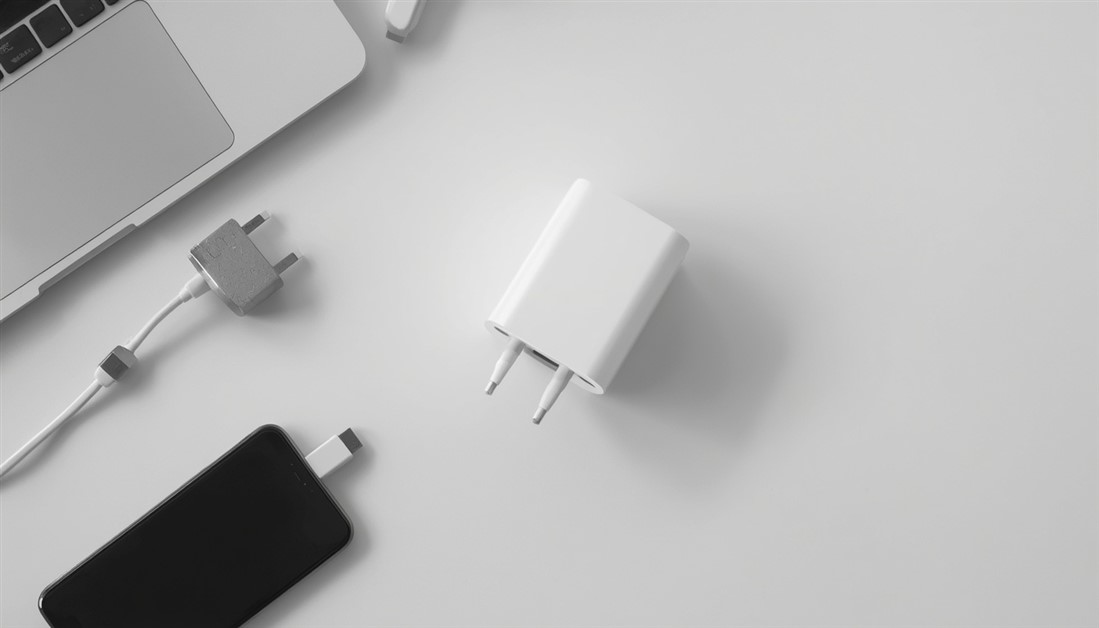
Three chargers in your bag is two too many. One palm-sized GaN charger powers your laptop, phone, and tablet from a single plug — here's which one to actually buy.

Your power bank has 20,000mAh on the box. It still dies by 3pm. Here's what's actually happening — and which power banks deliver on their rated capacity when your travel day goes sideways.

The gate changes, you've got ten minutes, and your charger is lost in the bag again. That's not disorganization — your accessories just live separately from the laptop they serve. Stick-on lid organizers put them on it.

Your drawer is full of notebooks with three good pages and a lot of blank ones. That's not you — paper is single-use. Reusable notebooks let you write, save what matters, wipe, and start fresh on the same book.
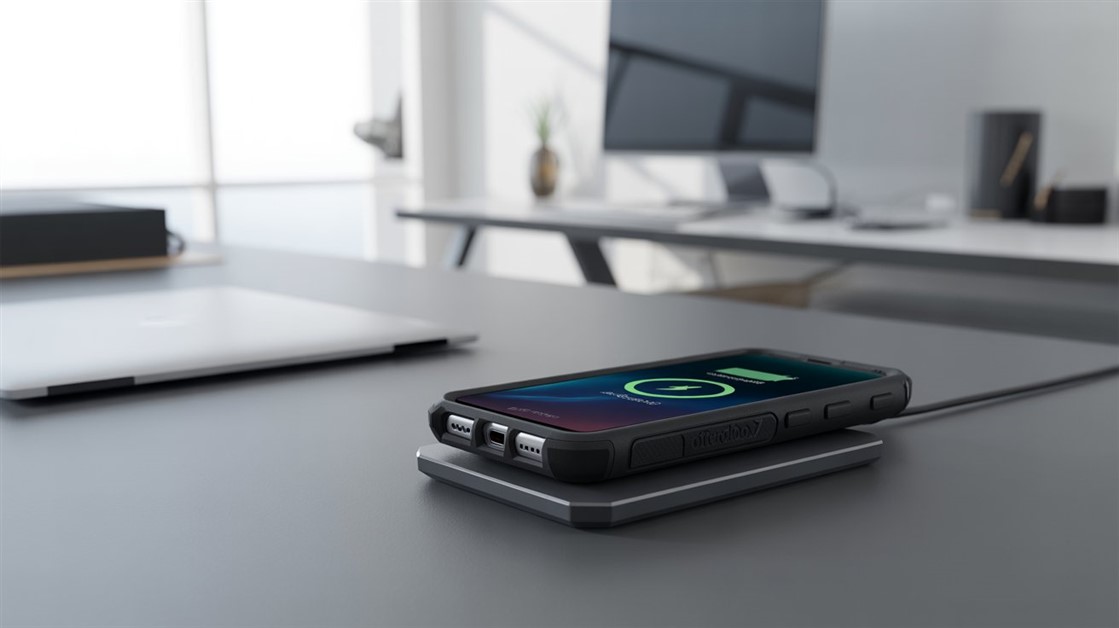
You peel your OtterBox off every night just to charge, and now the port's worn out. But rugged cases are built to charge wirelessly — if yours cuts out, it's usually the charger that can't reach through the case.
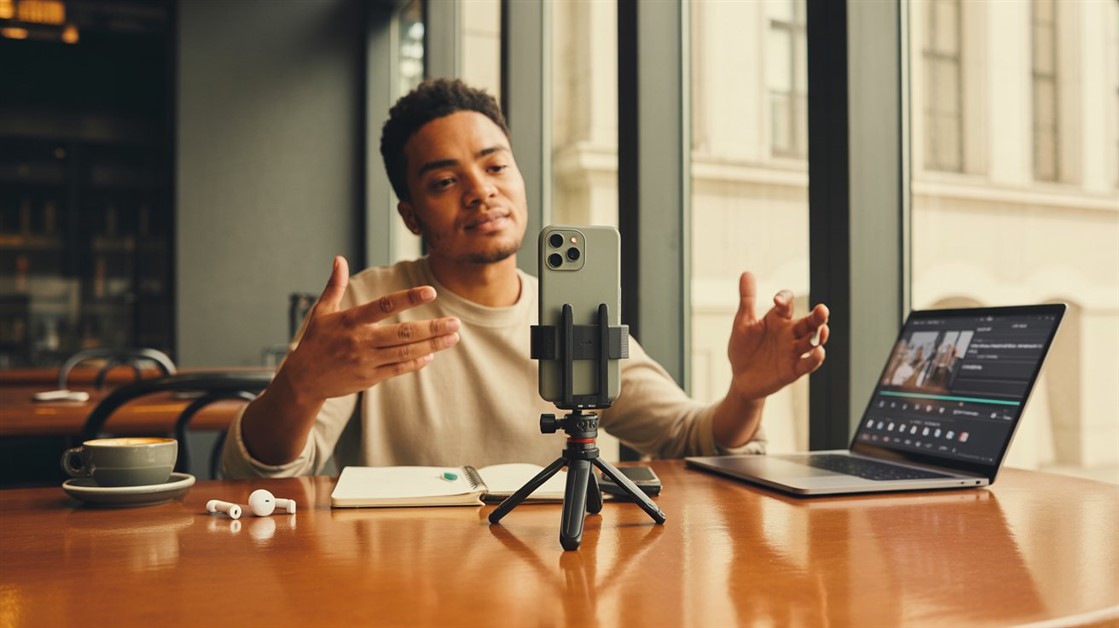
Your on-the-go videos shake because your tripod stays home. Here are the pocket-sized phone tripods small enough to actually carry — and steady enough to trust.

Adhesive privacy screens leave sticky residue and won't come off for Zoom. Magnetic ones snap on for café work and off in a second — here's how to pick one.
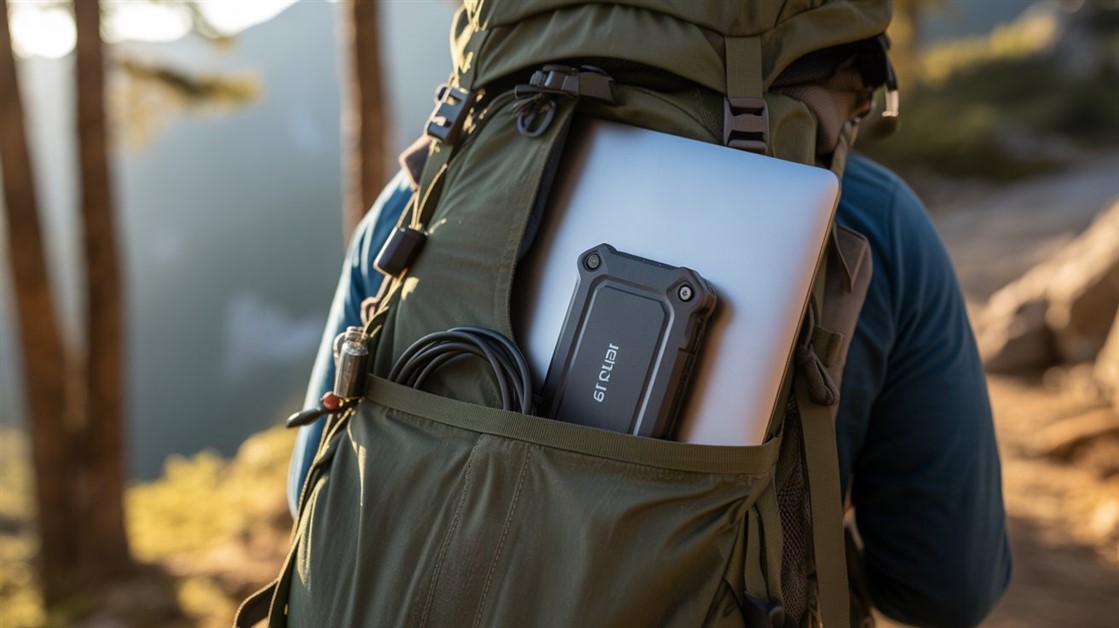
Drop your SSD on concrete and months of work can vanish. Regular drives aren't built for backpack life — here's how to pick one that actually survives.
Discussion
(0)Be the first to share your thoughts.