Chargers That Replace the Tangle of Bricks Living in Your Bag
Three chargers in your bag is two too many. One palm-sized GaN charger powers your laptop, phone, and tablet from a single plug — here's which one to actually buy.
Your drawer is full of notebooks with three good pages and a lot of blank ones. That's not you — paper is single-use. Reusable notebooks let you write, save what matters, wipe, and start fresh on the same book.


Open the drawer under your monitor and count the notebooks. There's the one from a course you meant to finish, the one from the job before this one, three "fresh start" notebooks from three separate Mondays — and every one has a few pages of real thinking followed by a long run of blank pages and good intentions.
You're not disorganized. Paper notebooks are single-use by design: every new project feels like it deserves a clean one, so you keep buying them, using a fraction, and losing the good ideas somewhere in the pile. A reusable notebook breaks the loop — you write, save what matters, wipe the page, and start again on the same book.
| Pick | Best for | What stands out | The catch |
|---|---|---|---|
| Rocketbook Core | Everyday brainstorming + backup | Scan-to-cloud, wipe, reuse | Needs erasable pens; heat can erase it |
| Rocketbook Fusion | Brainstorm + planning in one | Built-in planner/to-do templates | Fewer pages of each type |
| Rocketbook Mini | Pocket, on-the-go capture | Fits a pocket, same tech | Too small for a real brainstorm |
| Dry-erase lapboard | Cheap throwaway scribbles | Instant erase, no app | No backup — ideas vanish |
Two things quietly guarantee the pile. First, a paper notebook is a one-way street: once you've written in it, the only way to "start fresh" is a new one, so every project, course, and Monday-motivation buys another book you'll half-use. Those blank pages aren't laziness — they're the cost of a format that can't be reset.
Second, paper doesn't back up and it doesn't search. The genuinely good idea from a meeting three weeks ago is in there somewhere, in a notebook under four other notebooks, with no way to find it short of flipping every page. So in practice it's gone.
A reusable notebook fixes both at once. Because the pages wipe clean, one book covers everything indefinitely — no more fresh-start purchases. And because you scan a page before you wipe it, the ideas worth keeping land in the cloud, searchable, while the notebook itself goes back to blank.
Best for: anyone who handwrites, wants a digital backup, and is tired of buying notebooks.
Skip if: you never handwrite, or you can't stand a slightly slick, non-paper writing surface.
The Core is the reusable notebook most people picture. You write on its synthetic pages with an erasable pen, tap scan in the free app, and the page uploads itself to wherever you keep things — Google Drive, Dropbox, OneNote, email — then a damp cloth wipes it back to blank for the next round. It genuinely replaces the endless-notebook habit with a single book. Two honest catches to know going in: it only works with the specific erasable pens, and that ink needs a few seconds to dry or it smears; and because the ink is heat-sensitive, leaving the notebook somewhere hot — a car in summer — can erase pages before you've scanned them.
👉 Check Current Price → Rocketbook Core Reusable Spiral Notebook
Best for: people who want a planner and a brainstorm pad in the same reusable book.
Skip if: you only need blank pages — you'd be paying for templates you won't use.
The Fusion is the Core's tech with structure added: instead of only lined or dotted pages, it mixes in planner templates — calendars, to-do lists, goal pages — so one reusable book handles both your scattered ideas and your week. It scans and wipes exactly like the Core. The trade-off is that fitting several page types into one notebook means fewer of each, so if you lean hard on one layout you'll cycle through it (scan and wipe) faster.
👉 Check Current Price → Rocketbook Fusion Smart Reusable Notebook
Best for: catching quick thoughts on the move, when a full notebook is too much to carry.
Skip if: you actually need room to sketch or map out a real brainstorm.
The Mini shrinks the same scan-and-wipe system down to something that lives in a pocket or a small bag, which makes it the one you'll actually have on you when an idea shows up in a queue or on a walk. It uses the same app and erasable pens as its bigger siblings. The obvious limit is the size: it's built for a few lines and a quick capture, not for spreading out a diagram or a page of connected notes — for that you want the Core.
👉 Check Current Price → Rocketbook Mini (Pocket Size 3.5x5.5)
Best for: fast, disposable scribbling you don't need to keep — rough sums, a quick diagram, practice problems.
Skip if: you'll want any of it back later.
Not everything needs an app. A simple dry-erase lapboard is the cheapest reusable surface there is: write with a marker, wipe with the eraser, done — no scanning, no drying time, no special pens to replace. It's the right call when the point is to think out loud and then let it go. The catch is the whole point, too: nothing is saved. The moment you wipe it, the idea is gone, with no search and no backup — it's a thinking pad, not a record.
👉 Check Current Price → Dry Erase Lapboard 2-Pack
You can get part of the way for nothing. The strictest version is a rule rather than a tool: one notebook, and no new one until it's genuinely full — it won't back anything up, but it starves the graveyard. And snapping a photo of a page before you move on is the poor-man's scan; it's manual and the shots aren't searchable the way a proper scan is, but it beats losing the note entirely.
If the deeper problem is that your notes scatter and vanish wherever you put them, the notebook is only half the fix — see our guide to note-taking for people who lose all their notes.
You write on synthetic pages with an erasable pen, scan each page with a free phone app that sends it to your cloud of choice, then wipe the page clean with a damp cloth to use it again. The physical notebook stays the same one; only the ink comes and goes.
It erases fully with a damp cloth. The thing to know is that the ink is heat-sensitive — that's how it wipes — so extreme heat, like a closed car in summer, can erase pages by itself. Scan anything important soon after you write it and you're covered.
Yes — these need erasable (FriXion-style) pens rather than a normal ballpoint, and the ink takes a few seconds to dry before it stops smudging. It's a small adjustment, and replacement pens are cheap and easy to find.
If you want to keep your notes, get a Rocketbook: it saves a searchable copy to the cloud before you erase. If you only need a surface to think on and then wipe, a dry-erase lapboard is far cheaper and instant — just accept that nothing is saved.
Disclosure: ChoiceCrush may earn a small commission if you buy through our links, at no extra cost to you. Our picks come from analyzing real owner reviews and independent breakdowns — not paid placement.
How many barely-used notebooks are in your drawer right now — and what's the best idea you're pretty sure is lost in one of them? Tell us.
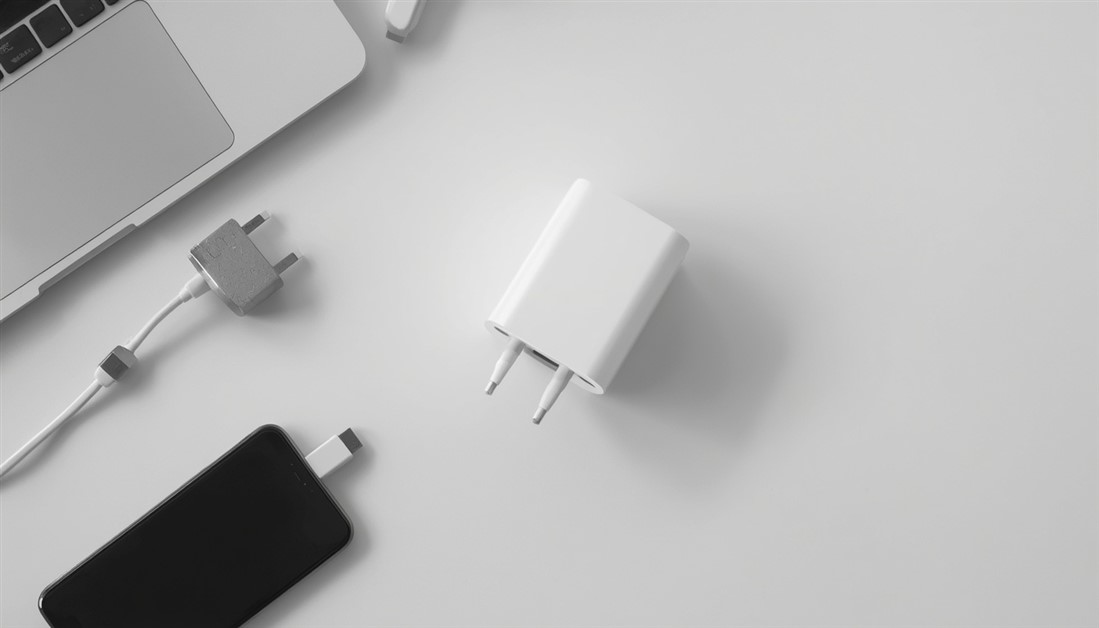
Three chargers in your bag is two too many. One palm-sized GaN charger powers your laptop, phone, and tablet from a single plug — here's which one to actually buy.

Your power bank has 20,000mAh on the box. It still dies by 3pm. Here's what's actually happening — and which power banks deliver on their rated capacity when your travel day goes sideways.
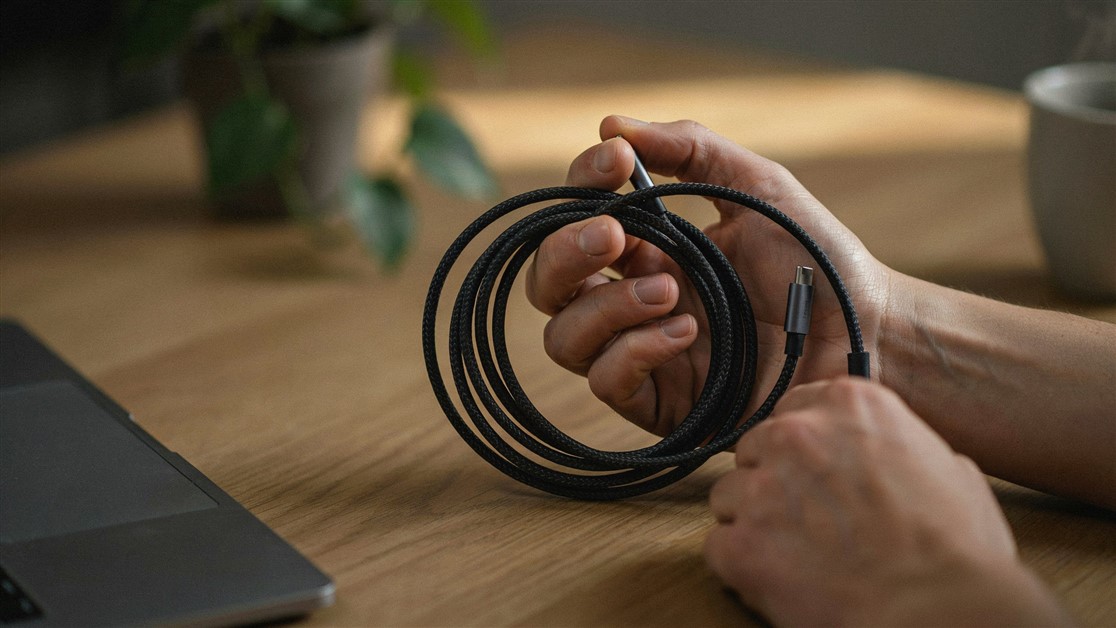
Your USB-C cable charged fine for a couple of weeks, then quietly died with no visible damage. That's not bad luck — it's thin wire and weak strain relief. Here's what actually survives daily use.

The gate changes, you've got ten minutes, and your charger is lost in the bag again. That's not disorganization — your accessories just live separately from the laptop they serve. Stick-on lid organizers put them on it.
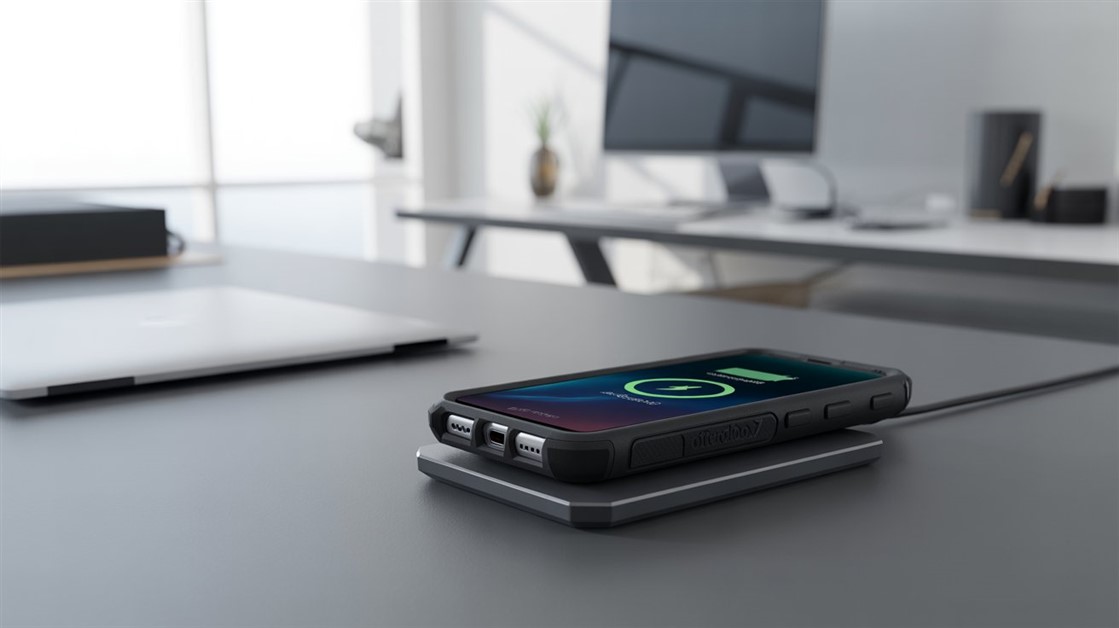
You peel your OtterBox off every night just to charge, and now the port's worn out. But rugged cases are built to charge wirelessly — if yours cuts out, it's usually the charger that can't reach through the case.

Your on-the-go videos shake because your tripod stays home. Here are the pocket-sized phone tripods small enough to actually carry — and steady enough to trust.

Adhesive privacy screens leave sticky residue and won't come off for Zoom. Magnetic ones snap on for café work and off in a second — here's how to pick one.
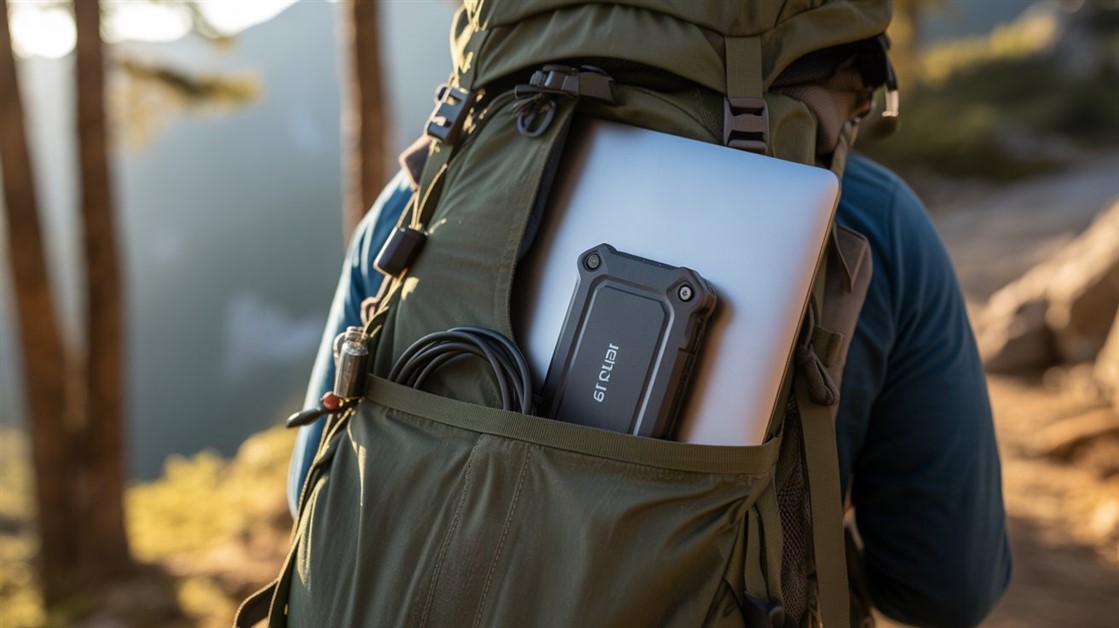
Drop your SSD on concrete and months of work can vanish. Regular drives aren't built for backpack life — here's how to pick one that actually survives.
Discussion
(0)Be the first to share your thoughts.