Chargers That Replace the Tangle of Bricks Living in Your Bag
Three chargers in your bag is two too many. One palm-sized GaN charger powers your laptop, phone, and tablet from a single plug — here's which one to actually buy.
You peel your OtterBox off every night just to charge, and now the port's worn out. But rugged cases are built to charge wirelessly — if yours cuts out, it's usually the charger that can't reach through the case.

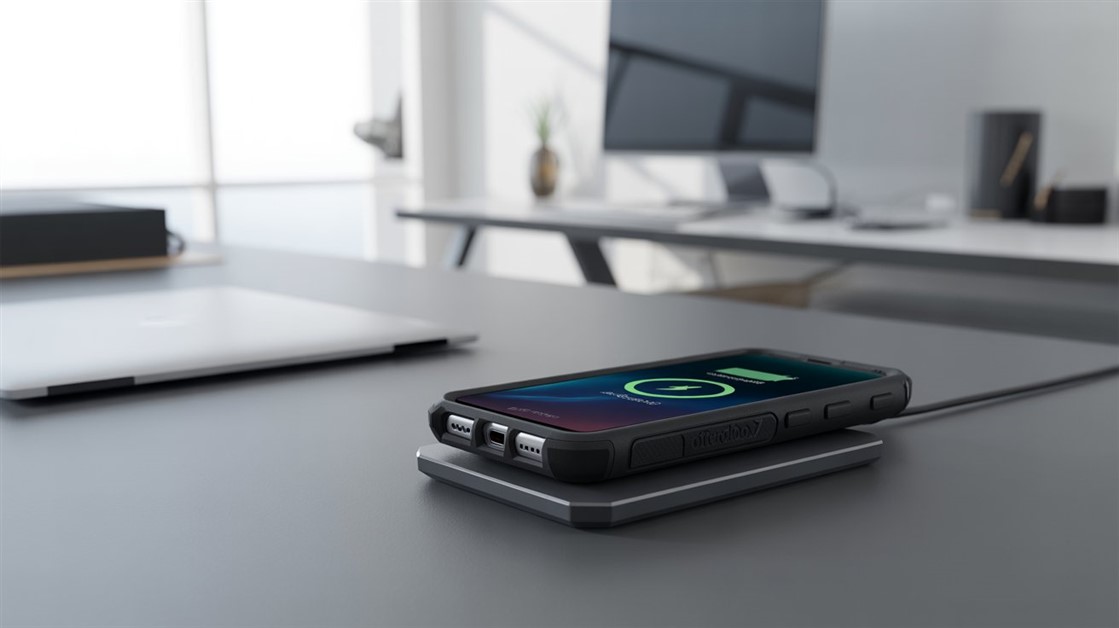
Your phone lives in a thick OtterBox because you've dropped it one too many times. So every night you peel the case off, set the phone on the pad, and wrestle the case back on in the morning — and lately the charging port has started to feel loose from all the cable-plugging you did before you gave up and went wireless.
Here's the part worth knowing first: modern rugged cases are actually built to allow wireless charging. If yours cuts out, cycles on and off, or only works in one exact spot, the case usually isn't a brick wall — the charger just isn't built to reach across the extra gap the case adds.
| Pick | Best for | What stands out | The catch |
|---|---|---|---|
| Anker PowerWave II Stand | Most thick-case setups, desk use | Higher output, dual-coil, upright stand | Stand only, no flat-pad option |
| NANAMI Charging Stand | Budget, Android/Samsung | Thick-case-friendly, dual-coil, cheap | Bright status LED; no active cooling |
| Belkin BoostCharge Pro Qi2 | iPhones in MagSafe cases | Magnetic Qi2 alignment, heat management | Magnet needs a MagSafe case; premium price |
Wireless charging works by magnetic coupling between two coils — one in the charger, one in your phone — and that coupling is only strong across a small gap. A rugged case adds several millimetres of rubber and plastic between the two, and a basic single-coil pad simply can't hold a solid link across that extra distance. It's less that the case blocks a signal and more that it pushes the coils apart.
That gap creates two failure modes. The coupling turns weak and unstable, so the charge cycles on and off or crawls; and the bulk of the case tends to sit the phone slightly off-centre, so the coils misalign and it only works in one fussy sweet spot. Chargers built for this fight back in three ways: more transmit power to reach across the gap, multiple or wider coils so alignment doesn't have to be perfect, or magnets (Qi2/MagSafe) that snap the coils into place every time.
One real side effect worth respecting: a thick case traps heat, and heat is hard on a battery. That's why a good thick-case charger also manages temperature rather than just shoving more power through.
Best for: most people with a rugged case who charge at a desk or nightstand and like seeing the screen.
Skip if: you specifically want a flat pad to lay the phone down on.
Anker is the safe first try here, for a reason owners keep repeating: it's a higher-output charger with a dual-coil design, so it holds a steady connection through a thick case and doesn't demand you land the phone in one exact spot. The upright stand keeps the screen visible for notifications and works in portrait or landscape. The trade-offs are modest — it's a stand rather than a flat pad, and it costs more than a bargain-bin basic charger, but that premium is the whole point of it actually working through the case.
👉 Check Current Price → Anker PowerWave II Stand (15W)
Best for: Android and Samsung users who want thick-case charging for as little as possible.
Skip if: you charge at a bedside and hate a bright status LED, or you want a big-brand warranty.
NANAMI does the same core things as the pricier stands — a dual-coil layout and enough output to charge through a rugged case — at a noticeably lower price, which is why it's a long-running budget favourite. Being a stand, it works upright or on its side. The honest gaps versus the premium options: there's no active cooling fan, the brand carries less recognition than Anker or Belkin, and owners often note the indicator light is bright enough to be annoying in a dark bedroom.
👉 Check Current Price → NANAMI 15W Qi Fast Wireless Charging Stand
Best for: iPhone owners whose thick case is MagSafe/Qi2-compatible and who want the most consistent, coolest-running charge.
Skip if: your case isn't MagSafe-compatible — you'll lose the magnetic alignment that's the main reason to buy it.
The Belkin is the premium answer because it solves alignment with magnets rather than luck: Qi2 snaps the phone into the right coil position every time, which both charges reliably and runs cooler, and it actively manages temperature instead of blindly pushing power — genuinely useful when a thick case traps heat. The catch is the condition attached to all of that: the magnets only grip a MagSafe/Qi2-compatible case, such as the MagSafe versions of rugged cases. On a plain non-magnetic thick case it still charges as a regular wireless pad, but you lose the alignment advantage you paid for — and it sits at the top of the price range.
👉 Check Current Price → Belkin BoostCharge Pro Qi2 Wireless Charging Pad
If you're stuck with a charger that keeps dropping out, a couple of things are worth trying. Nudge the phone around slowly until the light goes solid — the coils may just be off-centre, and finding that spot confirms it's an alignment problem a better charger would fix. And if your rugged case has a removable outer rubber layer over a hard shell, charging with just the shell on shortens the gap (you give up some drop protection, so treat it as a stopgap, not a routine).
What isn't a fix is going back to the cable full-time — that constant plugging is what wears the port out in the first place. If the cables themselves keep failing on you, that's its own rabbit hole; see our guide to USB-C cables that quietly stop working.
Generally yes — modern rugged cases like the Defender are designed to allow it, and most decent chargers manage it. The failures tend to come from weak, single-coil, or in-car chargers that can't hold the connection across the thicker gap. A higher-output, multi-coil charger rated for thick cases is what makes it reliable rather than hit-or-miss.
Any pad might work in the perfect spot, but through a thick case the extra reach and alignment tolerance of a higher-output, multi-coil charger is what stops the on-off cycling. If your current pad already charges your cased phone reliably overnight, there's no need to upgrade.
A thick case does trap heat, so warmth is normal but genuinely hot is not. That's exactly why the picks here manage temperature — the Belkin actively, the others through safety cutoffs. If your phone ever gets uncomfortably hot on the pad, take it off and check the case isn't sealing in heat.
That's coil misalignment — the bulk of the case is sitting the phone slightly off-centre from the charger's coil. A multi-coil or magnetic (Qi2/MagSafe) charger widens that tolerance so you don't have to hunt for the sweet spot every time.
Disclosure: ChoiceCrush may earn a small commission if you buy through our links, at no extra cost to you. Our picks come from analyzing real owner reviews and independent breakdowns — not paid placement.
What case are you running, and does your charger reach through it — or are you still doing the nightly peel-off? Tell us what's worked for you.
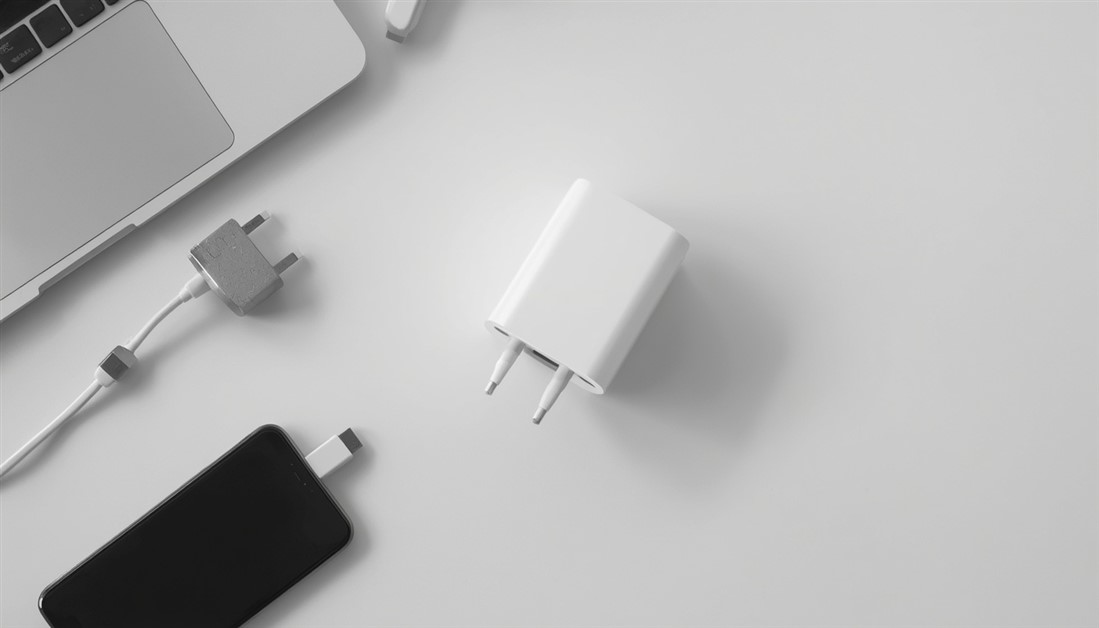
Three chargers in your bag is two too many. One palm-sized GaN charger powers your laptop, phone, and tablet from a single plug — here's which one to actually buy.

Your power bank has 20,000mAh on the box. It still dies by 3pm. Here's what's actually happening — and which power banks deliver on their rated capacity when your travel day goes sideways.
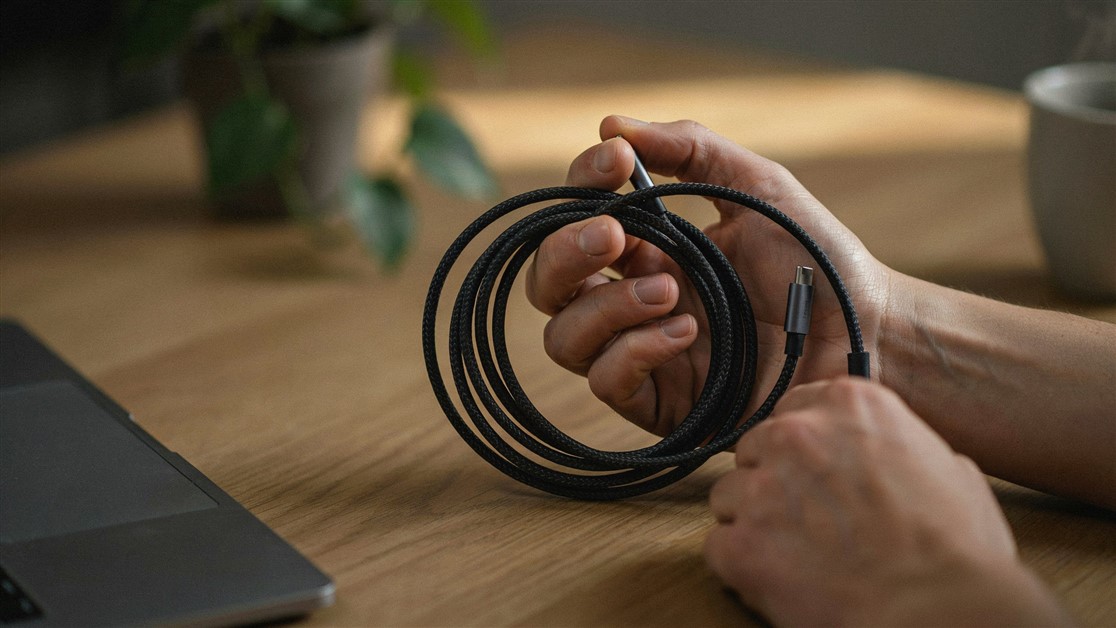
Your USB-C cable charged fine for a couple of weeks, then quietly died with no visible damage. That's not bad luck — it's thin wire and weak strain relief. Here's what actually survives daily use.

The gate changes, you've got ten minutes, and your charger is lost in the bag again. That's not disorganization — your accessories just live separately from the laptop they serve. Stick-on lid organizers put them on it.

Your drawer is full of notebooks with three good pages and a lot of blank ones. That's not you — paper is single-use. Reusable notebooks let you write, save what matters, wipe, and start fresh on the same book.
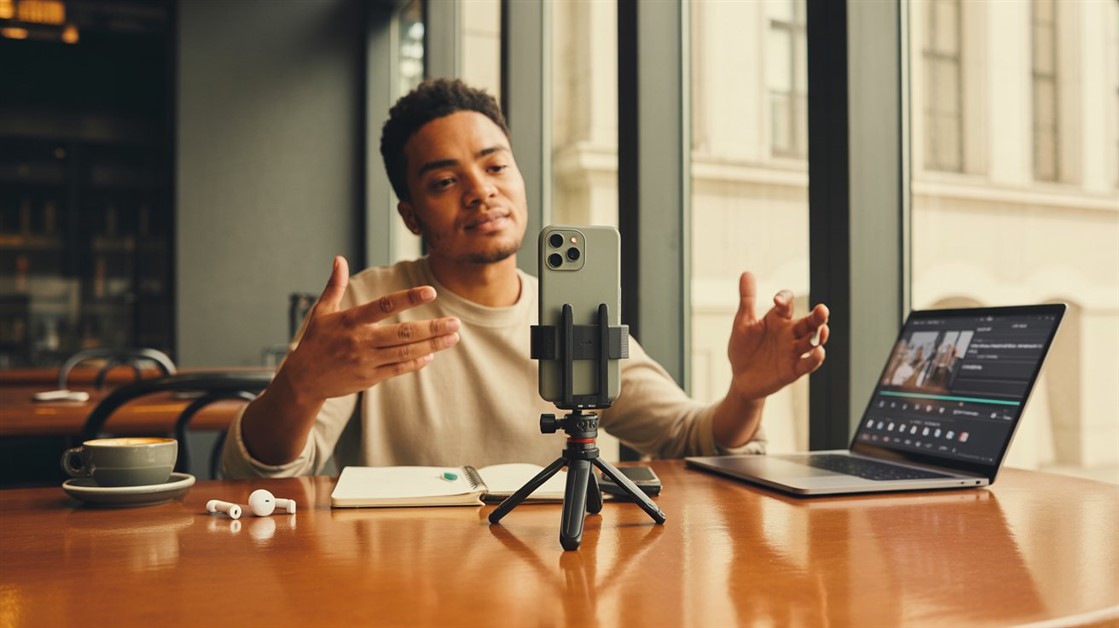
Your on-the-go videos shake because your tripod stays home. Here are the pocket-sized phone tripods small enough to actually carry — and steady enough to trust.

Adhesive privacy screens leave sticky residue and won't come off for Zoom. Magnetic ones snap on for café work and off in a second — here's how to pick one.
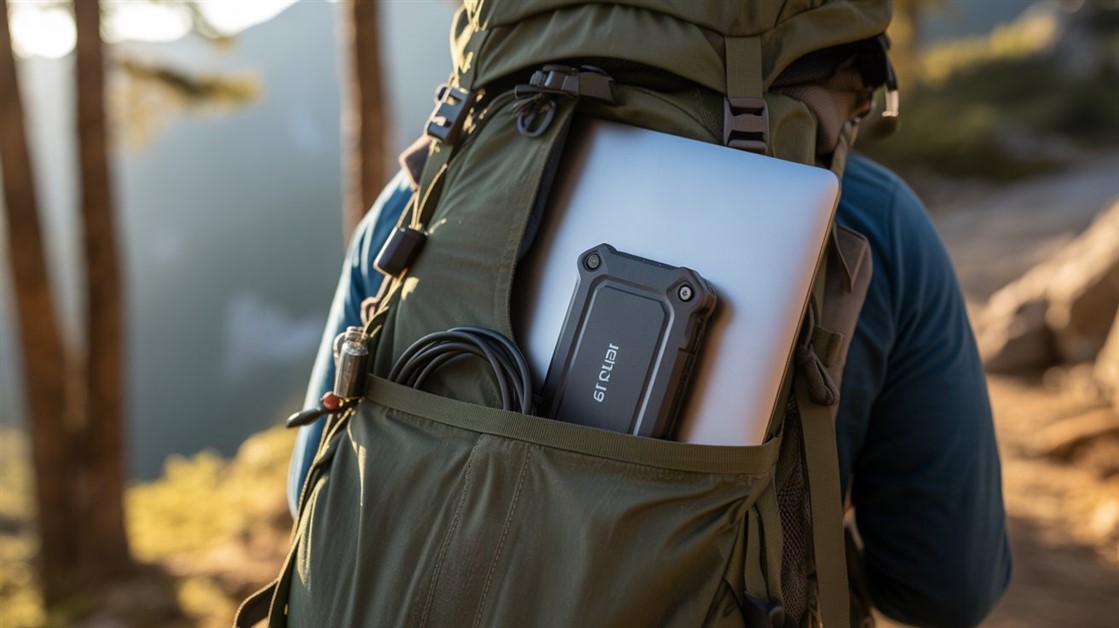
Drop your SSD on concrete and months of work can vanish. Regular drives aren't built for backpack life — here's how to pick one that actually survives.
Discussion
(0)Be the first to share your thoughts.