When "Universal Fit" Means "Not Your Size"
You bought the chair based on the reviews. Three hours in, your legs are partially numb, the lumbar pillow sits somewhere in the middle of your back rather than the bottom of it, and your knees are higher than your hips. The chair isn't defective. You're just several inches taller than the person it was designed for.
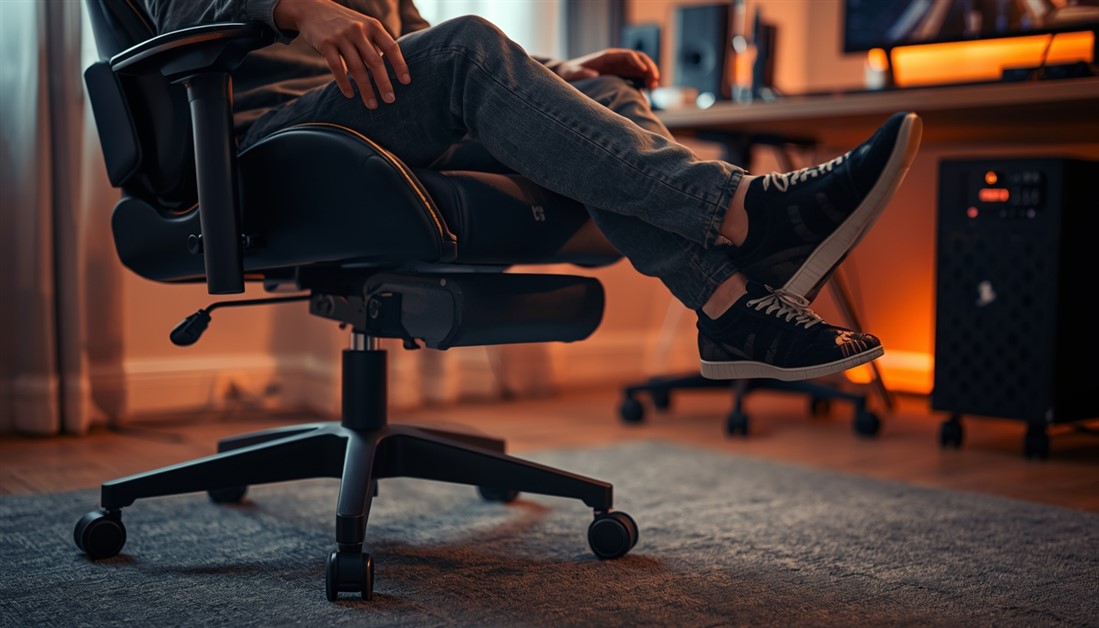
Gaming chairs are almost universally calibrated around a median body — roughly 5'8" to 5'11". The seat depths, backrest heights, and headrest positions are all engineered for that frame. If you're 6'2" or taller, you're using a chair built for someone shorter, which is why it feels wrong even after you've adjusted everything it will adjust.
How Standard Chairs Fail Tall Bodies
Three design dimensions account for most of the discomfort tall gamers report across different chair brands and price points.
The first is seat pan depth. A shallow seat can't support the full length of a tall person's thighs. Weight concentrates at the backs of the knees rather than distributing across the thighs, which restricts circulation and leads to the numbness that develops after an hour or two of sitting. Deeper seat pans distribute load across more of the leg — seat depth is the single most important specification to check before buying any chair if you're tall.
The second is backrest height. If the backrest is sized for a shorter torso, the lumbar support lands at mid-back rather than the lower lumbar region, providing no benefit while the actual lower back is unsupported. The headrest is equally affected: on a standard chair, it may not reach a tall person's head at all, sitting somewhere behind the shoulder blades instead.
The third is seat width and side bolsters. Racing-style side rails are shaped to hold a specific hip and knee width — borrowed from car seat design to prevent lateral movement during turns. At a desk where there are no G-forces, those same rails squeeze the knees and thighs of anyone wider or taller than the design target. Extended sessions in a chair actively fighting your dimensions leave you more fatigued than the session itself warrants.
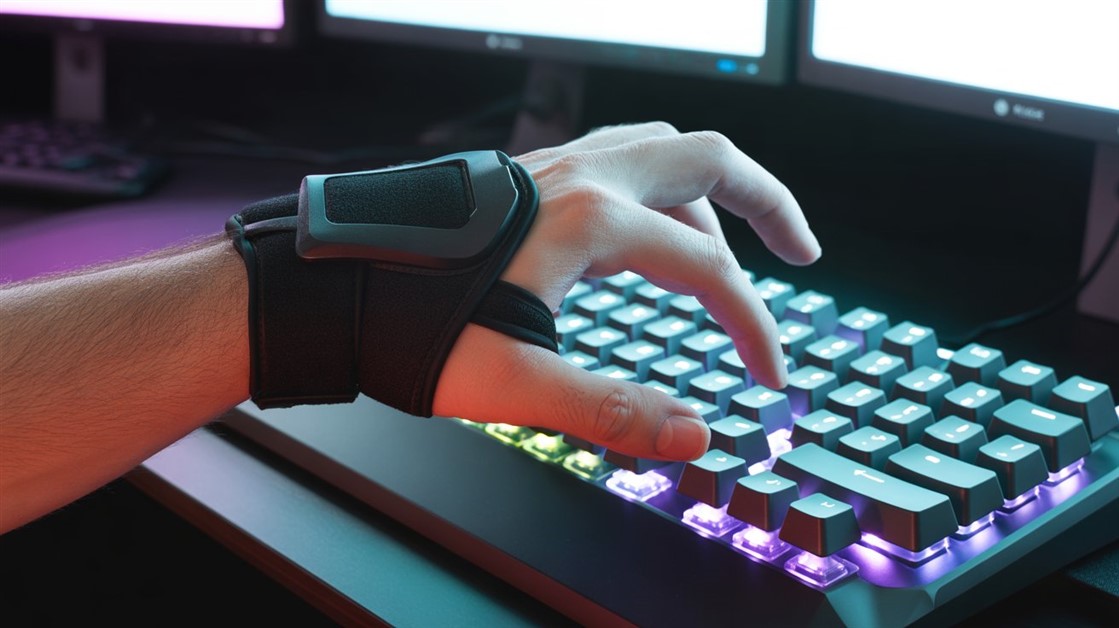
If wrist and arm discomfort are part of your gaming setup issues alongside seat fit, the guide on ergonomic mousepads for wrist pain covers the desk-side changes that complement a better chair.
How to Measure Yourself Before Buying
Two measurements predict whether a specific chair will fit you, and taking them is faster than returning a chair after assembly.
For seat depth: sit with your back against a wall and measure from the wall to the back of your knee, then subtract a few centimeters. The seat edge should stop short of your knee, not press into it. If a chair's listed seat depth is shorter than this measurement, it won't support your thighs regardless of how everything else is adjusted.
For backrest height: measure from the seat surface to the top of your shoulders when seated. A backrest that doesn't reach at least shoulder height can't position lumbar support or a headrest where they need to be. Tall-specific chairs add meaningful backrest height over standard models — that extra length is what puts support in the right place for a longer torso.
Any product description that says "fits everyone" or "universal design" without listing a seat depth number is sized for average heights by omission. Worth knowing before purchase, not after assembly.
Gaming Chairs That Actually Fit Tall Bodies
Best Overall: Secretlab Titan Evo (XL)
The Titan Evo XL is one of the few gaming chairs that publishes specific height and weight ranges instead of vague universalist claims. The XL size is designed for users from about 5'11" to 6'9" at up to 395 lbs — an unusually specific range for a gaming chair, and one that reflects actual engineering decisions about seat depth and backrest height rather than marketing copy.
The backrest is meaningfully taller than standard gaming chairs, which positions the integrated magnetic lumbar support at actual lumbar height for a tall torso rather than mid-back. The 4D armrests accommodate a wide range of shoulder widths. The seat avoids the narrow side bolsters common on racing-style chairs, which is what lets users with larger frames sit without constant knee contact with the seat edges.
In r/tall and gaming ergonomics communities, it consistently comes up as the first recommendation for people who've been through multiple gaming chairs that didn't fit. The built-in lumbar mechanism — no strap-on external pillow — is the feature most often cited as the differentiator from chairs that technically accommodate tall heights but don't support them.
- What it solves: The three core tall-gamer fit problems — seat pan that supports full thigh length, backrest height that positions lumbar where it needs to be, and seat width that doesn't create side-bolster pressure on larger frames.
The reality check: The seat is firm out of the box — noticeably more so than reviews tend to convey. The break-in period takes several weeks of consistent use. There is no seat depth adjustment; you choose the correct size (XL vs. Regular) rather than fine-tuning it after purchase. If you're at the upper edge of the Regular height range and have a broader frame, go XL.
👉 Check Current Price → Secretlab Titan Evo Black Gaming Chair
Best Budget Option: GTRACING Gaming Chair with Footrest
GTRACING's footrest model adds a retractable leg support that extends from the seat base — useful during lower-intensity gaming sessions and breaks where you want to recline with feet supported rather than planted on the floor. At a significantly lower price than either the Secretlab or the Herman Miller, it's the entry point for anyone wanting more room than a standard budget chair without a premium commitment.
This chair fits best in the 6'0" to 6'2" range. If you're 6'3" or above, the seat pan depth may not fully support your thighs — the gap between this and the Titan Evo on that dimension is real and meaningful for longer sessions. For gamers at the lower end of "tall" who primarily want an upgrade from a standard racing chair without the premium outlay, it's a worthwhile step up. The lumbar and headrest supports are strap-on pillows rather than integrated mechanisms, which is the expected tradeoff at this price tier.
- What it solves: The immediate need for more seat room and recline range than a standard budget gaming chair — with the footrest adding a resting position for lower-intensity use. Best fit for the 6'0"–6'2" range; not recommended as a primary long-session chair for taller frames.
The reality check: Budget gaming chair foam compresses over time — typically within a year or two of heavy daily use. The strap-on lumbar pillow migrates during sessions. If you're 6'3" or taller and plan on multi-hour daily sessions, the seat depth limitation here will become apparent quickly. The Titan Evo is the right call even at higher cost if your sessions are long and your frame is large.
👉 Check Price on Amazon → GTRACING Gaming Chair with Footrest
Best Long-Term Investment: Herman Miller Aeron (Size C)
The Aeron Size C is not a gaming chair by category — it's a high-end ergonomic office chair that tall gamers consistently recommend over gaming-specific alternatives because it solves problems most gaming chairs don't. Size C is Herman Miller's largest size, designed for taller and larger bodies, with a mesh suspension seat and back that distributes weight across a broader surface area rather than concentrating it at contact points.
There are no side bolsters. The suspension seat means no foam that gradually compresses and loses its ergonomic properties over years of use. The PostureFit SL mechanism supports the sacrum and lumbar independently with individually adjustable pads rather than a single strap-on pillow. Herman Miller backs it with a twelve-year warranty — which is what "built to last" means in practice rather than in marketing language.
For people who game for extended daily sessions and have persistent back or leg discomfort that a gaming chair hasn't resolved, the Aeron Size C is usually where the search ends — not because it's a gaming product, but because it's an ergonomic one that actually fits tall bodies and holds up over years rather than months.
- What it solves: Long-duration session support for tall frames — specifically, the fatigue and discomfort that accumulates over multi-hour daily sessions and isn't resolved by a chair that merely fits slightly better than a standard one. The mesh seat eliminates the foam compression problem that all foam chairs develop over time.
The reality check: Premium-priced — significantly more expensive than most gaming chairs, often more than the gaming setup itself. No gaming aesthetic if that matters to your setup. The certified refurbished Aeron market is well-established and reliable; used units from authorized dealers come with warranty coverage and represent a substantially lower entry price than new retail.
👉 Check Current Price → Herman Miller Aeron Ergonomic Chair
FAQ
Do I actually need a tall-specific gaming chair?
Probably not if you're under 6'1", your current chair is comfortable after two or three hours, and your feet rest flat with your thighs roughly parallel to the floor. You likely need one if you're 6'2" or taller, your legs go numb or your thighs feel compressed during sessions, or you find yourself adjusting posture every twenty minutes because nothing holds correctly. Those aren't signs of weak posture — they're signs of a chair that doesn't fit your dimensions.
Which chair should I choose?
Start with the Secretlab Titan Evo XL if you want a gaming chair engineered specifically for tall frames and can commit to the price. The GTRACING with footrest is a reasonable budget entry if you're in the 6'0"–6'2" range and want a meaningful improvement over a standard gaming chair. The Herman Miller Aeron Size C is the long-term ergonomic investment for people whose daily session length makes chair quality a genuine health consideration rather than a comfort preference.
Why do racing-style side bolsters cause problems for taller users?
Racing seat bolsters are designed to hold a specific body width during lateral acceleration — they're borrowed from motorsport seat design. At a desk where there's no lateral movement, those rails create constant inward pressure on knees and hips for anyone whose frame exceeds the design width. Chairs without bolsters — like the Aeron — or with more open seat profiles solve this by removing the pressure source entirely rather than trying to adjust around it.
Is the Herman Miller Aeron worth the price for gaming specifically?
If you session daily for two or more hours and have recurring back or leg issues that haven't improved through gaming chair upgrades, the economics shift considerably. A chair that eliminates chronic discomfort across a twelve-year product life looks different from its upfront cost. The refurbished market is reliable enough that certified used units from authorized resellers are a commonly recommended starting point for people who want Aeron ergonomics without new retail pricing.
Fit the Chair to Your Body, Not the Other Way Around
A chair sized for someone shorter isn't a slightly less comfortable chair — it's a chair working against your body's dimensions across every session. Seat depth, backrest height, and seat width all interact with your specific frame, and getting them wrong accumulates into fatigue, numbness, and pain that doesn't go away when you stretch between sessions. The chairs above exist because some manufacturers actually designed around tall body measurements. That's a lower bar than it sounds like, and the difference in a long session is significant.
Disclosure: We may earn a small commission if you buy through our links — at no extra cost to you. This helps us keep researching gear that actually fits real bodies.
If you're over 6'2" and found a chair setup that works — what was the deciding factor for you?






Discussion
(0)Be the first to share your thoughts.