Chargers That Replace the Tangle of Bricks Living in Your Bag
Three chargers in your bag is two too many. One palm-sized GaN charger powers your laptop, phone, and tablet from a single plug — here's which one to actually buy.
Need a laptop that handles coding by day and gaming by night? We dug into owner reviews for programmer-gamers — no throttling under sustained loads, no compromises on portability.


The overheating problem isn't a you problem — it's a chassis problem. Most gaming laptops are tuned for GPU peaks during a match, not the sustained dual load of a compile marathon followed straight into a gaming session. Running both in the same afternoon is a different ask than either one alone, and most spec sheets don't tell you how a laptop handles it.
On Reddit's r/SuggestALaptop and r/ProgrammerGaming, the same frustration keeps showing up:
Amazon reviews for "laptops for coding and gaming" echo the same pattern from actual owners:
Most "coding laptops" are thermal-optimized for light workloads — the kind of heat a browser or word processor generates, not a sustained compile job. Most "gaming laptops" are built for burst GPU performance, with cooling sized around how a game actually loads the system: peaks and valleys, not the flat-line sustained heat a compiler produces.
Running both in sequence — compile all morning, game all afternoon — is where the gap shows. Sustained load on both chips back to back is the scenario most laptops weren't designed to handle cleanly.
After going through owner reviews from people specifically using laptops for both development and gaming — not just one or the other — the pattern held consistently: the machines that held up were the ones with cooling systems sized for back-to-back sustained loads, not just gaming peaks. Quiet, efficient thermals under prolonged use beat raw clock speed numbers on a spec sheet.
Weak point: gaming battery life. Near an outlet during gaming sessions is the realistic use case — or a compact USB-C power bank for shorter sessions away from a desk.
👉 Check Current Price → ASUS ROG Zephyrus G14
Good thermal headroom for both workloads, with a quiet performance mode worth switching to for long compiles — it cuts fan noise noticeably without losing meaningful throughput.
For how this class of machine handles remote and travel scenarios, our breakdown of laptops for digital nomads who game covers the portability angle in more depth.
👉 Check Price on Amazon → Lenovo Legion Slim 5
Single-sided ports create cable tangles in tight spaces — office desks, café tables, small home setups. A machine with ports distributed across both sides keeps a small workspace actually usable without cable routing becoming part of the daily setup routine.
Any laptop with a current-gen GPU and adequate cooling can work — the "gaming laptop" label isn't what matters. What matters is whether the cooling system handles sustained load from compiling and gaming back to back without throttling hard, and that's something spec sheets don't measure cleanly. Owner reviews from people using it for both workloads are more useful than benchmark numbers alone.
Usually a combination of a thin chassis and cooling sized for either coding loads or gaming loads, not both running close together. Compiling pushes sustained CPU heat; gaming pushes sustained GPU heat; switching straight from one to the other without a cooldown is what triggers the worst throttling on machines not designed for back-to-back demand.
If you need a native Linux environment for systems-level dev work, yes. For lighter web development, WSL on Windows handles most of the toolchain without the driver troubleshooting that dual-booting typically brings — GPU drivers and suspend/wake behavior are the two most common issues on gaming hardware.
It can reduce heat output meaningfully without losing noticeable performance, but it's hardware-specific and often locked by manufacturers on newer machines. Repasting (replacing the factory thermal compound) is more reliably effective on laptops that are a year or two old, where the original paste has dried out. Both are worth researching for your specific model before trying anything.
If you're unsure, buy from a retailer with a real return window — Amazon's 30-day policy gives you enough time to test it through actual compile sessions and gaming evenings, not just benchmarks.
Disclosure: We may earn a small commission if you buy through our links — at no extra cost to you. This helps us keep researching gear for real humans like you.
Dual-booting Linux or sticking to Windows — what's actually slowing your setup down, the code side or the game side?
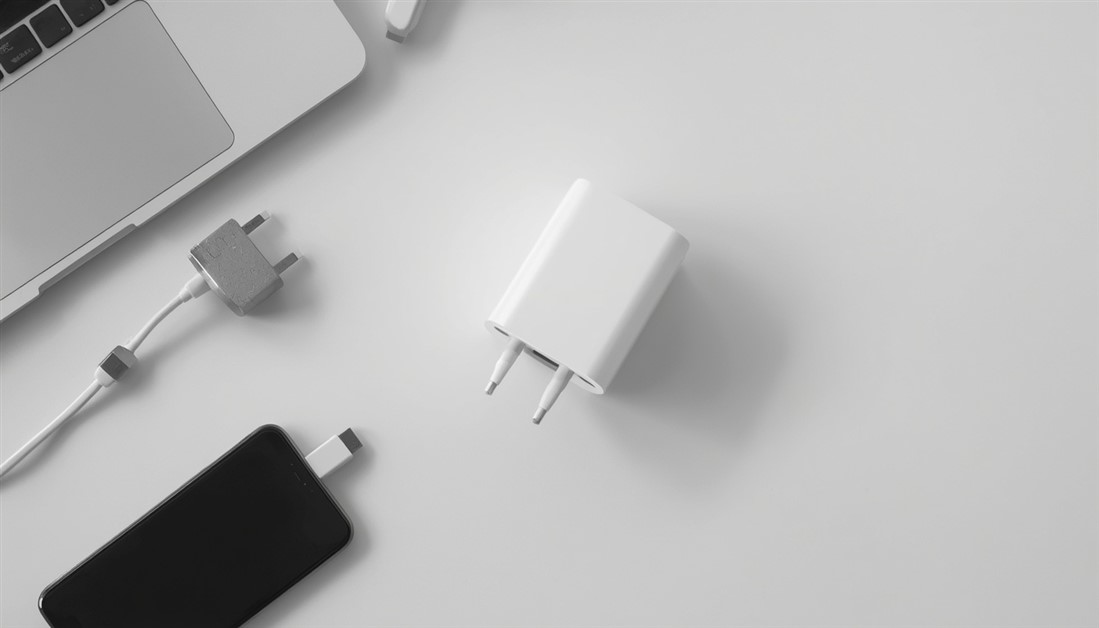
Three chargers in your bag is two too many. One palm-sized GaN charger powers your laptop, phone, and tablet from a single plug — here's which one to actually buy.

Your power bank has 20,000mAh on the box. It still dies by 3pm. Here's what's actually happening — and which power banks deliver on their rated capacity when your travel day goes sideways.
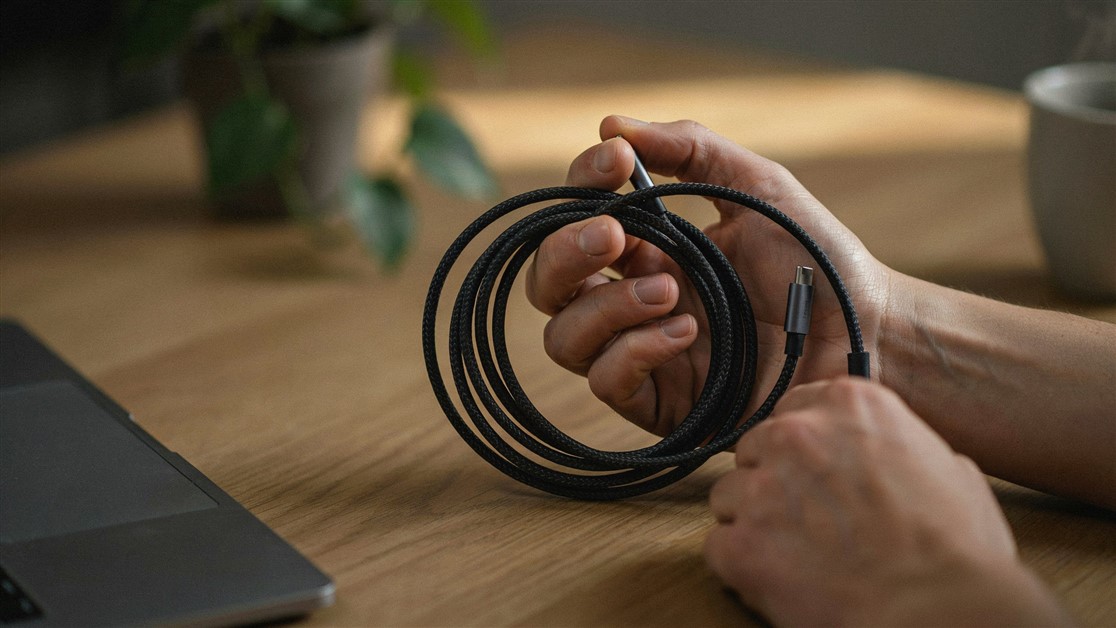
Your USB-C cable charged fine for a couple of weeks, then quietly died with no visible damage. That's not bad luck — it's thin wire and weak strain relief. Here's what actually survives daily use.

The gate changes, you've got ten minutes, and your charger is lost in the bag again. That's not disorganization — your accessories just live separately from the laptop they serve. Stick-on lid organizers put them on it.

Your drawer is full of notebooks with three good pages and a lot of blank ones. That's not you — paper is single-use. Reusable notebooks let you write, save what matters, wipe, and start fresh on the same book.
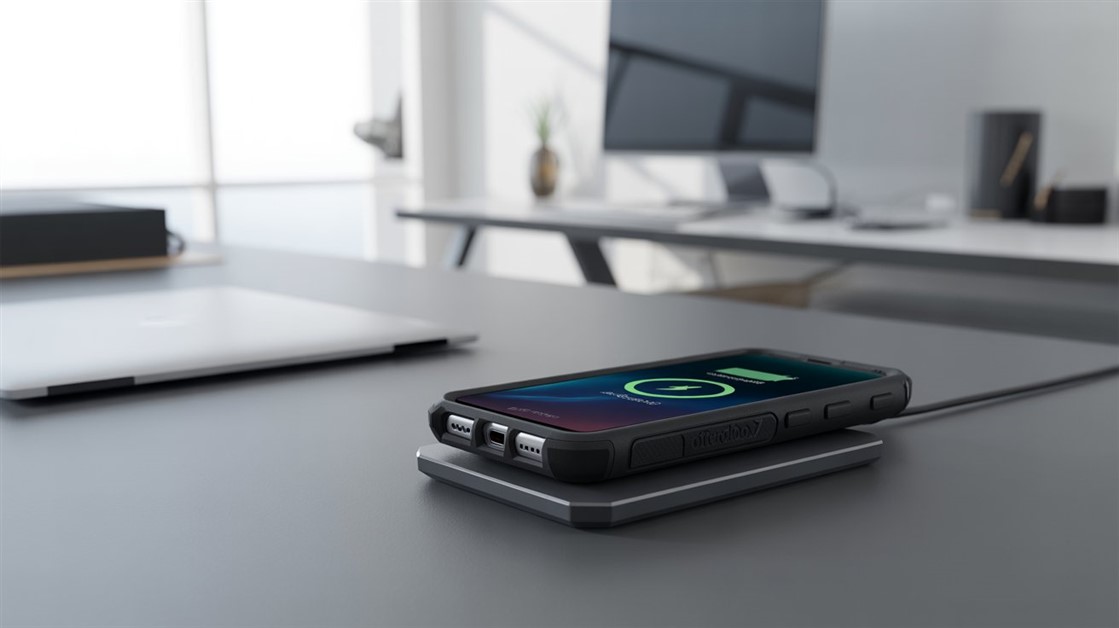
You peel your OtterBox off every night just to charge, and now the port's worn out. But rugged cases are built to charge wirelessly — if yours cuts out, it's usually the charger that can't reach through the case.
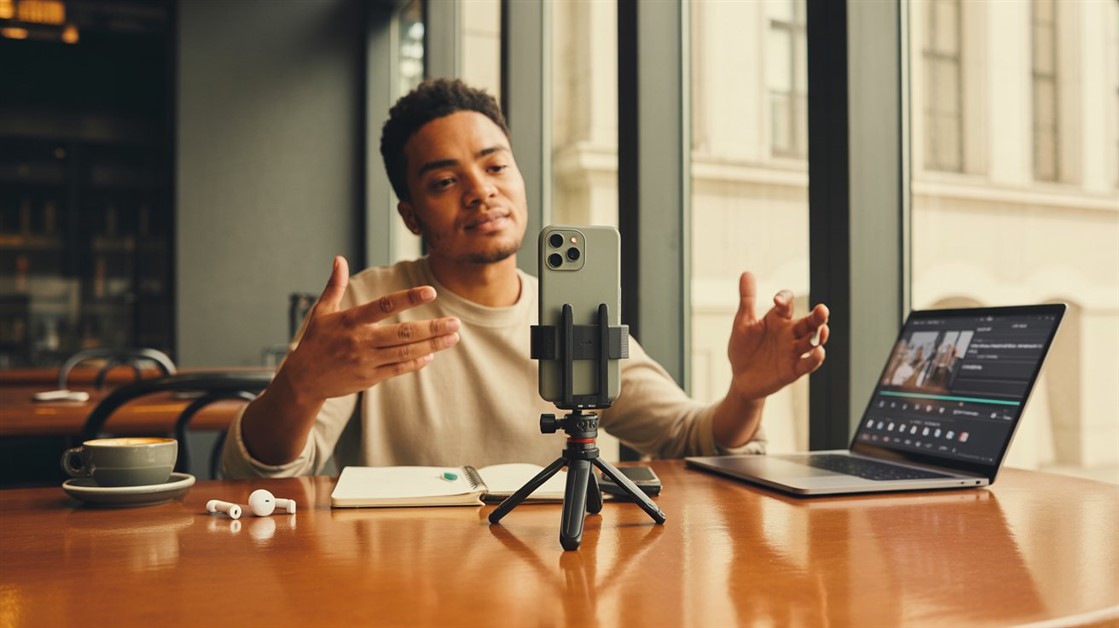
Your on-the-go videos shake because your tripod stays home. Here are the pocket-sized phone tripods small enough to actually carry — and steady enough to trust.

Adhesive privacy screens leave sticky residue and won't come off for Zoom. Magnetic ones snap on for café work and off in a second — here's how to pick one.
Discussion
(0)Be the first to share your thoughts.